
The Best Sea Fishing Reels for 2026
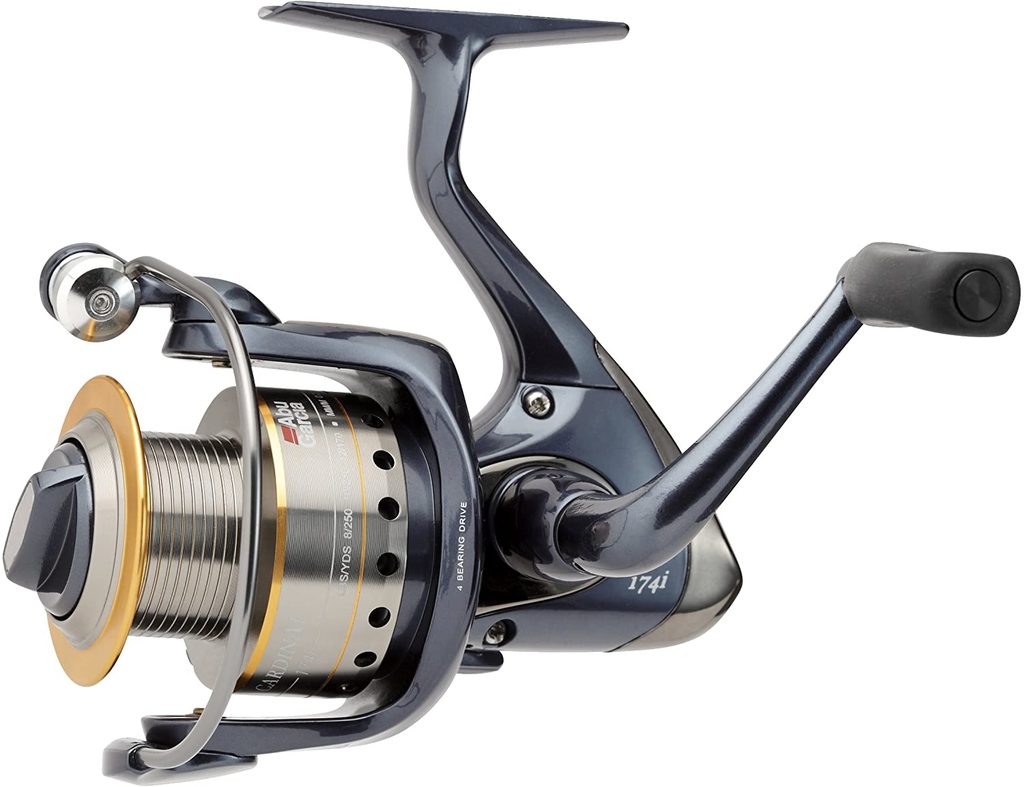
When it comes to sea fishing reels, there is much choice that it can be a minefield sometimes knowing what type to pick.
This article will detail what features you should be looking for when choosing the best sea fishing reels for different sea fishing disciplines.
We'll also offer some suggestions which will suit different angling types and budgets.
Quick Answer
The Daiwa 20 BG MQ Reel is my top overall pick because its one-piece MQ Monocoque body shrugs off the salt and sand that kill sea reels, in a tough do-it-all reel that costs a fraction of a flagship.
The right sea reel depends on how it will be fished, though. The table below lays out the shortlist by the job each reel does, from beachcasting and boat multipliers to all-round spinning and a budget starter.
| Rank | Best for | Sea Reel | Best suited to |
|---|---|---|---|
| Premium (£150+) | |||
| #1 | Best Overall | Daiwa 20 BG MQ Reel | Sea anglers who want one tough, fully-sealed spinning reel that shrugs off salt and sand. |
| #2 | Best Sealed Spinning | Penn Spinfisher VII Spinning Reel | Anglers fishing exposed, wave-washed marks who need a fully-sealed, watertight reel. |
| #3 | Best for Beachcasting | Penn Battle III Longcast Spin Reel | Beach anglers who need to cast a lead and bait beyond the surf. |
| Mid-range (£90-£130) | |||
| #4 | Best for Boat Fishing | Abu Garcia Seven 7000 Multiplier Reel | Boat anglers who want a round multiplier’s cranking power for fishing over wrecks and reefs. |
| #5 | Great All-Rounder | Penn Fierce IV Spinning Reel | Anglers who want one versatile, salt-tough spinning reel for spinning, float and light beach work. |
| Budget (under £70) | |||
| #6 | Great Value Multiplier | Penn Rival Level Wind Multiplier Reel | Newcomers to multiplier fishing who want an easy, level-wind reel at a low price. |
| #7 | Best Budget | Penn Pursuit V Spinning Reel | Beginners who want the cheapest trusted-brand sea reel that will survive the salt. |
The best sea fishing reels
Daiwa 20 BG MQ Reel
#1 Best Overall
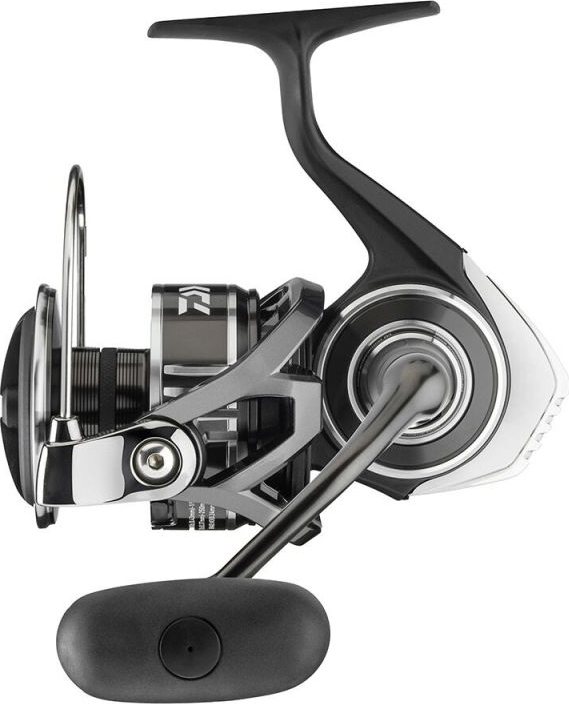
The Daiwa BG MQ is the sea reel I would put at the top, because it brings serious saltwater toughness at a price that undercuts the top-end reels. It is a proper do-it-all spinning reel for the sea angler.
The MQ monocoque body is the headline. It is a one-piece aluminium body with no side plate, which makes it stronger and better sealed against salt and grit than a conventional reel, so it shrugs off the punishment of beach and rock fishing.
The one-piece MQ Monocoque body is the key to it. With fewer joints for salt water and sand to get into, the two things that kill sea reels, it keeps running smoothly season after season. Add Daiwa's Carbon ATD drag and a solid retrieve and it handles everything from spinning for bass to light beach and boat work.
It is not cheap, but it costs a fraction of a flagship saltwater reel while delivering most of what matters. For a sea angler who wants one tough, sealed reel to rely on, it is the standout.
Best suited to
Sea anglers who want one tough, fully-sealed spinning reel that shrugs off salt and sand.
Pros
- One-piece MQ Monocoque body seals out salt and grit
- Carbon ATD drag for smooth, strong pressure
- Versatile for spin, beach and light boat work
Cons
- Not the cheapest option
- Heavier than a finesse spinning reel
Penn Spinfisher VII Spinning Reel
#2 Best Sealed Spinning
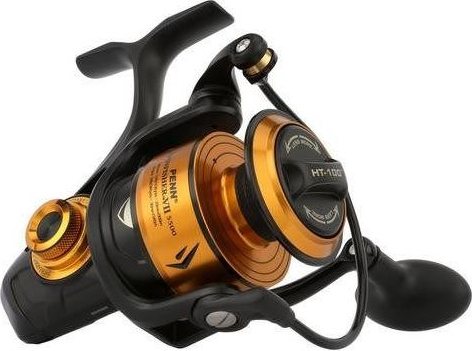
The Penn Spinfisher VII is the reel I recommend when saltwater protection is the priority, and few reels seal out the sea better. The Spinfisher name has been a sea-angling byword for sealed reliability for years.
The whole reel is built to keep salt water out, with a sealed body and a sealed, watertight drag, so a wave over the reel or a session in the spray does not wreck the internals. On a rock mark or a surf beach, that sealing is worth everything.
The HT-100 drag underneath gives smooth, strong stopping power for a hard-running sea fish, and the build is Penn-solid throughout. It is a reel designed to be fished hard in the harshest conditions and keep going.
It is a touch dearer than the value reels and it is heavier than a finesse spinning reel, but for genuine saltwater durability it earns the money. For anyone fishing exposed, salty marks, it is a safe bet.
Best suited to
Anglers fishing exposed, wave-washed marks who need a fully-sealed, watertight reel.
Pros
- Sealed body and watertight drag
- Strong, smooth HT-100 drag
- Built to be fished hard in the salt
Cons
- Dearer than value reels
- Heavier than a finesse reel
Penn Battle III Longcast Spin Reel
#3 Best for Beachcasting
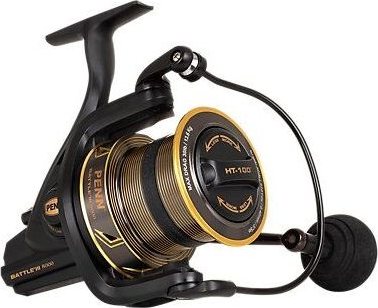
The Penn Battle III Longcast is the reel I would pick for beach fishing, because the longcast spool is built for exactly that job. When the fish are beyond the surf tables, distance is everything, and this reel is made to deliver it.
The longcast spool has a shape that lets line peel off with less friction, so a lead and bait fly further off a beachcaster. Paired with a smooth retrieve, it makes covering the ground on a big surf beach far easier.
Underneath it is proper Penn kit, with CNC-machined gears for strength, the trusted HT-100 drag for smooth power against a running fish, and five sealed stainless bearings to keep salt out. It is built to take a beating on the beach.
It is a specialist beach and distance reel rather than a light lure tool, so a spinning angler would look at the Daiwa or a Fierce. For casting a bait a long way off the sand, it is superb.
Best suited to
Beach anglers who need to cast a lead and bait beyond the surf.
Pros
- Longcast spool for extra distance
- CNC gears and HT-100 drag
- Sealed bearings keep salt out
Cons
- A specialist beach and distance reel
- Not a light lure tool
Abu Garcia Seven 7000 Multiplier Reel
#4 Best for Boat Fishing

The Abu Garcia Seven 7000 carries the DNA of the legendary Ambassadeur, and it is the multiplier I would put on a boat rod for sea fishing. A round multiplier like this is the classic tool for dropping baits to fish over wrecks and reefs.
The multiplier design gives it the cranking power to winch a big fish and a heavy lead up from the depths, which a fixed-spool reel struggles with. The star drag provides smooth, strong pressure to stop a hard-fighting cod or conger.
The details are made for the job, including an extended bent handle and star wheel for leverage when hauling up from deep water, and a strong spool built to take the strain. It is a proper workhorse boat reel.
A multiplier takes a little practice compared with a fixed spool, and it is a specialist boat and beach tool rather than an all-rounder. For lowering baits and cranking fish up from a boat, it is exactly right.
Best suited to
Boat anglers who want a round multiplier’s cranking power for fishing over wrecks and reefs.
Pros
- Cranking power to winch fish from the depths
- Smooth, strong star drag
- Power handle and star wheel for leverage
Cons
- Takes practice versus a fixed spool
- A specialist boat and beach reel
Penn Fierce IV Spinning Reel
#5 Great All-Rounder
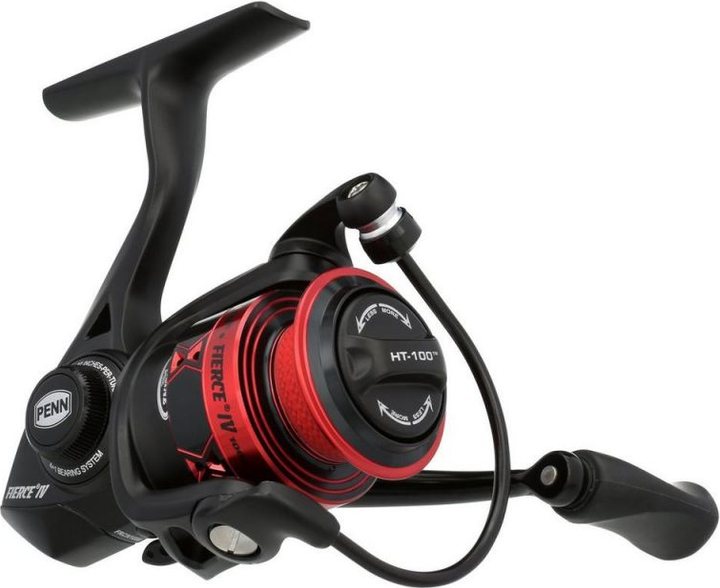
The Penn Fierce IV is the reel I point most sea anglers towards as a do-it-all, because it packs a lot of Penn toughness into a mid price. It is a versatile fixed-spool reel that turns its hand to most sea fishing.
It has a sealed, sturdy build that copes with the salt far better than a cheap coarse reel, and a smooth, strong drag for sea fish. Whether spinning for mackerel and bass, fishing a float, or light beach work, it does the job without fuss.
Being a Penn, the gearing and the drag are dependable and it is built to last, which is what separates it from bargain-bin reels that seize up after a season by the sea. It is a lot of reel for the money.
It does not have the full sealing of the Spinfisher or the outright toughness of the BG MQ, so a dedicated rock-mark angler might size up. As one affordable, versatile sea reel, it is hard to beat.
Best suited to
Anglers who want one versatile, salt-tough spinning reel for spinning, float and light beach work.
Pros
- Salt-tough build for the money
- Smooth, strong drag for sea fish
- Versatile for spin, float and light beach
Cons
- Not as sealed as the Spinfisher
- Outmuscled by the BG for the harshest marks
Penn Rival Level Wind Multiplier Reel
#6 Great Value Multiplier

The Penn Rival is where a proper level-wind multiplier gets genuinely affordable, and it is the reel I would recommend to anyone getting into boat or beach multiplier fishing. It brings Penn multiplier know-how down to a friendly price.
The level-wind is the beginner-friendly bit. It lays the line back onto the spool evenly as it retrieves, so there is no need to guide the line by thumb, which takes the tricky part out of using a multiplier for someone still learning.
It still has the cranking power and the strong drag a multiplier is bought for, so it will winch a fish and a lead up from a wreck or hold a big fish on the beach. For the money, it is a lot of reliable multiplier.
It is not as refined or as strong as the Abu for the very biggest fish, and the level-wind adds a little friction on the cast. As an affordable, easy-to-use multiplier, though, it is excellent.
Best suited to
Newcomers to multiplier fishing who want an easy, level-wind reel at a low price.
Pros
- Level-wind lays line evenly, no thumbing
- Real cranking power and drag
- Affordable way into multipliers
Cons
- Level-wind adds a little cast friction
- Outmuscled by the Abu for the biggest fish
Penn Pursuit V Spinning Reel
#7 Best Budget
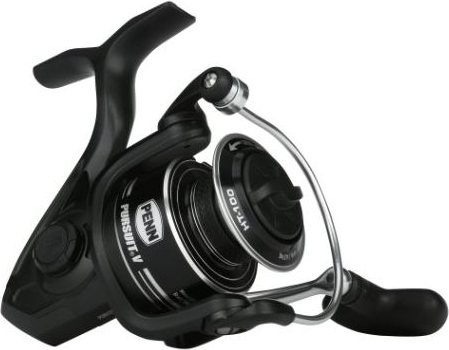
The Penn Pursuit V is the budget pick, and it proves getting into sea fishing with a trusted badge does not cost much. It is Penn's entry-level spinning reel, and it is a lot of reel for the outlay.
It has a sturdier, more corrosion-resistant build than the cheap reels beginners often start with, so it stands up to the salt far better and will not seize up after a couple of trips. For a first sea reel, that durability matters more than fancy features.
The drag is smooth enough for the sea fish a newcomer is likely to catch, and it is a comfortable, easy reel to use for spinning, float fishing or light bottom work. It just gets on with the job.
It is basic and it is not built for the biggest fish or the harshest rock marks, so a keen angler will soon want a Fierce or a BG. As the cheapest sensible way to start sea fishing with a reel that will last, it is spot on.
Best suited to
Beginners who want the cheapest trusted-brand sea reel that will survive the salt.
Pros
- Corrosion-resistant build for the price
- Smooth enough drag for most sea fish
- Easy for spin, float and light bottom work
Cons
- Basic, not for the biggest fish
- Keen anglers will soon upgrade
What is a sea fishing reel?
A sea fishing reel provides exactly the same function as its freshwater cousins. It is used to store the line, cast the line, and retrieve the line. There are two main types of sea fishing reel.
You have a fixed spool reel, which, aside from its size and a few little extras is identical to what you would use in freshwater fishing. And then you have a multiplier reel.
What is the difference between a multiplier and a fixed spool reel?
Well, a multiplier reel is deployed and used sitting on top of the rod for one. Generally, multiplier reels are a bit more advanced. On the plus side, they generally tend to retrieve line quicker and enable a competent angler to cast much much further.
The downside is that they are not beginner-friendly and if you get a tangle it will mean a significant amount of time spent with the reel on your lap unpicking a ‘birds nest’.
As with most things, when looking at something that is going to be used in a maritime setting it has to have a few key qualities. Things to be aware of:-
Sometimes the better reels are going to be larger
The reason for this is two-fold. First you are going to be casting a much heavier weight and the reel will have to cope with bigger fish, and be able to fight against the tide whilst doing so.
Furthermore you will need the inner workings of the reel to be able to cope with pulling your terminal tackle, and fish, away from snags and danger.
As a general rule, you are going to want to cast a decent distance with heavier line, therefore the spool also needs to be bigger to accommodate this. It is worth noting, however, the reel type and size need to be balanced with a good, suitable sea rod in order to get the most of your equipment's potential.
The best sea fishing reels will have a quicker retrieve ratio
When you are sea fishing once you unseat your terminal tackle from the bottom it may be subjected to a strong tidal pull, leading you into rocks, reefs and weed beds. The best way to avoid this is to get it up and away from the bottom quickly.
To achieve this, you’ll want the line to come in quicker so keep your eyes out for fearsome gearing ratio’s. Generally they are a really good thing to have especially for keeping your sea rig intact!
Top sea reels should be built to last
Seawater can be really corrosive over time. Top sea fishing reels are made of either stainless steel or Aluminum. Although it may be more expensive it will save you money in the long run. To get the most out of your reel here are some tips on how to care for it after each session
So now we have looked at some broad principles, let's get down to it and discuss a few features that you should consider.
Choosing a sea fishing multiplier reel
As we have said these can be a little fraught, however by having a bit of know-how you’ll be able to make a great choice. Firstly the answer to the question is that it depends on what type of sea fishing you are practicing.
The best multiplier for boat fishing may be different to the best multiplier for rock fishing etc. Knowing what your target species is and where you are more likely to be fishing for them will help make an informed choice on the best multiplier reel for you.
One area that makes casting easier in the best sea fishing reel is a braking system. Due to the forces involved the reel spool can pick up quite a bit of inertia during the cast.
If it goes too fast then the spool can ‘overrun’ letting out line that isn’t ‘ready to go, this line then wraps around itself and you end up with a tangle that is pulled tight by the continuous spinning.
To prevent this, multipliers normally have a means of slowing your spool down a little. This is achieved in one of two ways. Keep your eyes out for magnetic braking systems or friction systems using rubber stops. Both will stop you from getting a tangle. To see how they work, have a watch of this video...
A decent sea fishing reel will also have a star drag. This is a method of allowing the line to pull from the spool with the clutch engaged. It’s useful for when you are playing fish as it acts as a buffer if they make a sudden run or are in danger of overstressing the line.
The size of the reel is partly down to personal preference and partly down to how heavy you want to go. Aim to fit about 300 meters of 15lb line on the spool as a bare minimum.
Another really nice feature to have is a level wind. When retrieving your line with a multiplier you have to lay the line yourself manually using your thumb.
A level wind does all the hard work for you and ensures a beautifully even line lay. The main downside of using this system however is that you sacrifice a small amount of casting distance.
To learn how to cast a multiplier, check out this video
Choosing a fixed spool sea fishing reel
Fixed spool reels are slightly easier in all aspects when compared to multipliers. But there are some things that are found only in the better sea reels.
Large spools are a really nice feature. Aside from allowing you to load a hell of a lot of line onto your reel they actually aid in casting distance. A big spool ensures a much less dense line lay, and if it goes on easily then it will come off easily too.
The best sea fishing reels tend to have substantial and large winding handles. This increases retrieve speed and also makes it easier to retrieve the line when it is under stress from either a fish or an underwater obstruction.
In addition to this, the extra control over the retrieve is a great feature to have when fishing with sea lures.
Front drag is a handy feature that you will see on most of the decent sea fishing reels. A front drag is intuitive and easy to reach even if you are playing a big fish.
One final and obvious point... Choose a sea reel that fits and compliments your rod and doesn't sit, unbalanced in your hand or on your rest/tripod.
What about Sea Fishing Line?
We have an article that details the best fishing line in the UK for general fishing. If, however, you need any sea fishing line for your reel, please consider these best-sellers on Amazon:
Sea Fishing Reel FAQs
Still choosing a sea reel?
These are the questions I would settle before buying.
What size reel do I need for sea fishing?
It depends on the fishing. For light lure and float work, a 4000 to 6000 fixed spool is plenty. For beachcasting a lead and bait a long way, a larger longcast spinning reel or a 6500-size multiplier suits better, and for boat fishing over wrecks a bigger multiplier gives the cranking power to winch fish up.
Match the reel to the method rather than buying one size for everything.
Should I use a multiplier or a fixed spool reel?
A fixed spool is easier to use and more versatile, and it covers spinning, float and light beach work with no casting technique to learn. A multiplier gives more cranking power and control for casting big leads a long way off the beach and for winching fish up from a boat, but it takes practice.
Beginners are usually best starting with a fixed spool, then adding a multiplier once they take up beach or boat fishing seriously.
How do I stop a sea reel corroding?
The single most important thing is to rinse it in fresh water after every trip, then let it dry, because salt and sand are what wreck sea reels. Buying a reel with a sealed body and drag, like the Penn Spinfisher or Daiwa BG MQ, gives far more protection to start with.
An occasional light service and a spot of reel grease keeps a good sea reel running for many seasons.
What line should I use on a sea reel?
For most shore fishing, a strong monofilament of around 15lb to 30lb suits, stepped up for rough ground, usually with a heavier shockleader to take the strain of casting a lead. For lure fishing, many anglers prefer a thin braid for distance and bite detection.
Boat anglers over deep water often run braid too, for its lack of stretch when fishing at depth.
Final Thoughts
If you are looking for simplicity, we’d advise heading down the fixed spool route. They are easy to use and maintain. As you become more advanced in your sport a multiplier can make a perfect choice. Although multipliers are slightly more expensive.
Provided they are looked after and maintained, they will last years and easily justify the cost. Whichever reel you choose, we hope you are successful.
Many thanks for reading
Tight Lines!
Related Articles...
Best Fishing Power Banks
This article details 5 of the best fishing power banks on the market today from small, portable power banks, to large heavy-duty power packs.

Fishing Rod Test Curve Calculator
If you are having trouble deciding what test curve rod is best for you, then fear not as our handy fishing rod test curve calculator will point you in the right direction.

Best Fishing Rod For Beginners
This article will take you through everything you need to know to make an informed choice on the best fishing rod for beginners based on a number of different fishing disciplines.