
The Best Rods for Floater Fishing in 2026
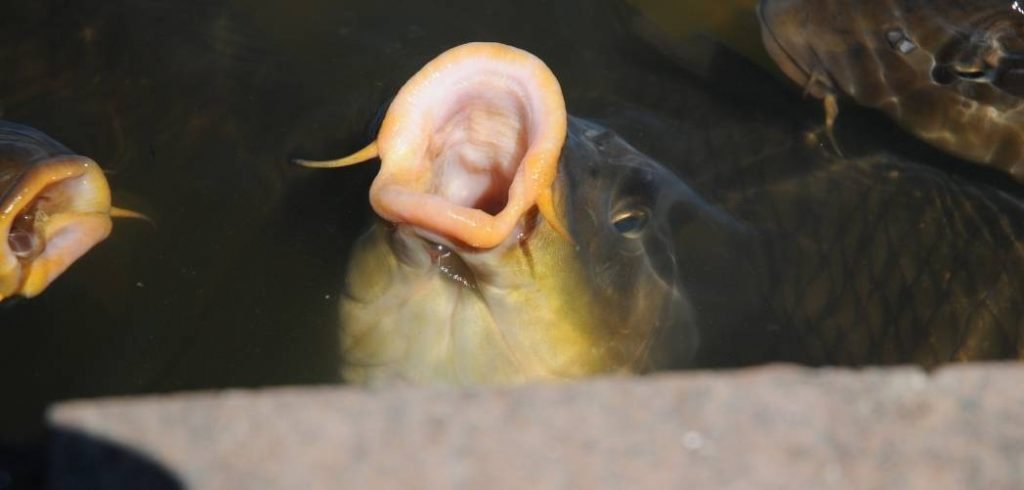
Floater or surface fishing for carp requires skill, composure, and decent, well-balanced tackle.
A key part of a balanced floater fishing setup is the rod. The rod needs to be subtle enough to not force the surface bait off the hook on the cast, yet strong enough to deal with potentially large fish.
The best rod for floater fishing should be 10 to 12 feet in length and have a test curve of between 1.75 and 2.25lb.
In this article, I will detail the best rods for floater fishing based on my own experiences as well as positive reviews from other anglers.
I’ll also answer some of the frequently asked questions about choosing the best rod for floater fishing.
Quick Answer
The Daiwa Longbow X45 Floater Rod is my top overall pick because its X45 carbon fights blank twist for accurate casting and the forgiving through action keeps delicate surface baits on the hook.
For less money my starting point would be the Prologic Combat-Surface Shrink Rod. The table below groups the rods by budget, from premium floater rods down to a genuinely cheap way onto the surface.
| Rank | Best for | Rod | Best suited to |
|---|---|---|---|
| Premium (£100+) | |||
| #1 | Best Overall | Daiwa Longbow X45 Floater Rod | Committed surface anglers who want the most refined floater rod in the guide. |
| #2 | Top River Surface Rod | Shimano Specialist TX Float Rod | Surface anglers who split their carp fishing between stillwaters and flowing rivers. |
| #3 | Great at Long Range | Korda Kaizen Green Floater Rod | Anglers casting bigger controllers at bigger fish on pressured waters. |
| Mid-range (£90-£100) | |||
| #4 | Great Value | Prologic Combat-X Surface Cork Rod | Anglers who want a specialist surface rod with classic cork looks without a premium price. |
| Budget (under £50) | |||
| #5 | Best Budget | Prologic Combat-Surface Shrink Rod | Anglers who fancy trying surface fishing without committing serious money. |
What To Look For In The Best Rod For Floater Fishing
As stated above, the best rods for surface fishing need to be subtle with a lower test curve compared to other carp rods.
This is simply because you generally don’t have to cast as far or indeed use heavy terminal tackle.
Quite often carp anglers will either freeline a surface bait or use a small controller float.
The better rods for floater fishing tend to have a tip action or a tip to middle action. If this is something you would like to learn more about you can check out our complete guide on carp rods here.
I prefer to use a 12-foot rod when floater fishing with a maximum test curve of 2.25lb. This type of rod provides me just enough power to flick a surface bait 20 – 30 yards but also has enough power to play decent-sized fish.
I would add however if you are fishing near snags, you would have to beef your tackle up a bit to be able to steer a surface caught fish away from danger.
One final point is that choosing a well-balanced floater rod and reel combo alongside picking the best floater fishing line you can get your hands on will help your surface fishing no-end.
The Best Floater Fishing Rods
Daiwa Longbow X45 Floater Rod
#1 Best Overall
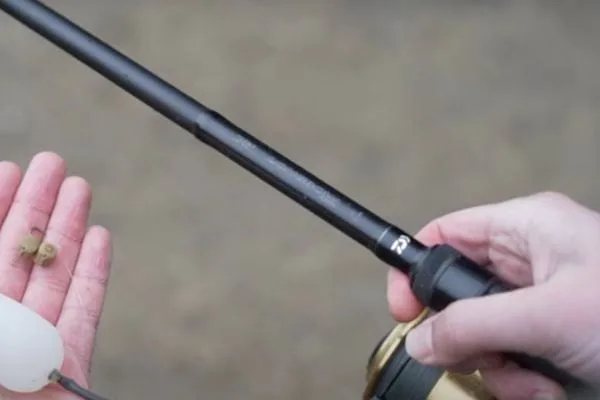
The Longbow X45 Floater stays at the top of this guide, the same place it held when I first reviewed it, because it's still the most complete surface rod here. Daiwa design and build it in the UK, and everything about it exudes quality.
The X45 in the name is the point. Daiwa's X45 carbon construction fights the blank twisting during the cast, which translates into more distance and more accuracy when a controller float has to land beyond a group of feeding fish. I've always found the smooth, forgiving cast is kind on delicate surface baits too; bread crust stays on the hook instead of pinging off mid-flight.
The through action is deliberately forgiving for taming big carp on scaled-down surface tactics, and the HVF blank with V-Joint Alpha keeps it light with fast recovery, so line lifts off the surface quickly on the strike. The fittings are top drawer: ultralight American Tackle TiForge Air and Vortex Air guides, a SeaGuide reel seat and a Japanese shrink wrap handle, all in a slim matt black finish.
The 2.25lb model is the all-rounder for small to medium venues with light controllers or freelined baits, while the 3lb version covers long-range and snaggy waters. A casual surface angler doesn't need this much refinement, but as a dedicated floater tool it's the best I've fished with.
Best suited to
Committed surface anglers who want the most refined floater rod in the guide.
Pros
- X45 carbon fights twist for accurate casting
- Forgiving through action protects surface baits
- 2.25lb all-round and 3lb long-range models
Cons
- The 2.25lb all-rounder sells at a premium price
- A luxury for occasional surface fishing
Shimano Specialist TX Float Rod
#2 Top River Surface Rod
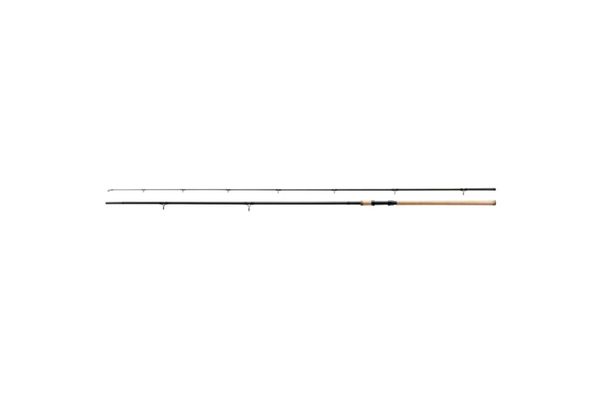
The Specialist TX Float earns its place because it's the one rod here developed for surface carp on rivers as well as lakes. Shimano built it for anglers who fight carp in strong river flows and around structure, and that shapes the whole rod.
The 2lb test curve is the lightest in this guide, which makes for a soft, precise presentation, yet the high-modulus full carbon blank keeps enough in reserve to pull a fish away from bridge pillars and lily roots. That balance of finesse and power is exactly what surface fishing near cover asks for.
It comes in a two-piece 12ft and a three-piece 13ft, the longer rod buying extra line control on flowing water, and the fittings are proper Shimano: SeaGuide Zirconia guides, a DPS reel seat and a cork handle, finished in a subtle olive green.
The 2lb blank isn't the tool for launching heavy controllers to the horizon, so pressured big-water fish at range are better served by the Kaizen below. For roaming a river or stalking off the surface on a stillwater, it's a lovely rod.
Best suited to
Surface anglers who split their carp fishing between stillwaters and flowing rivers.
Pros
- Built for stillwaters and flowing rivers
- Light 2lb curve with real reserve power
- 12ft and 13ft lengths, cork handle
Cons
- Not suited to heavy controllers at range
- Lightest curve here, so no margin for brute force
Korda Kaizen Green Floater Rod
#3 Great at Long Range

The Kaizen Green Floater is the rod I'd choose for serious surface work at range, because it pairs a light, responsive 12ft blank with the most backbone of any rod here at 2.75lb test curve.
It's built on a similar fast-taper profile to Korda's flagship Kaizen Platinum, so most of the flex sits in the tip until the rod comes under proper load. That tippy action means fast tip speeds for punching a controller out, quicker line pick-up off the surface, and enough give to protect a hook-hold at the net.
The testing behind it is reassuring rather than marketing fluff. Korda's Neil Spooner fished it for a full summer, landing fish to 36lb, and used everything from small Interceptor controllers close in to the 80g model at long range. A rod that covers that spread is a genuinely versatile surface tool.
The trade-off against the Platinum is a more affordable grade of carbon, so it gives up a touch of casting recovery and outright accuracy at the extremes. At this price, for a rod that handles big fish and big distances off the top, that's easy to live with.
Best suited to
Anglers casting bigger controllers at bigger fish on pressured waters.
Pros
- 2.75lb curve handles big controllers and big fish
- Fast-taper action picks line off the surface quickly
- Proven in testing with fish to 36lb
Cons
- Slightly softer casting recovery than the flagship Kaizen
- More rod than small-water freelining needs
Prologic Combat-X Surface Cork Rod
#4 Great Value
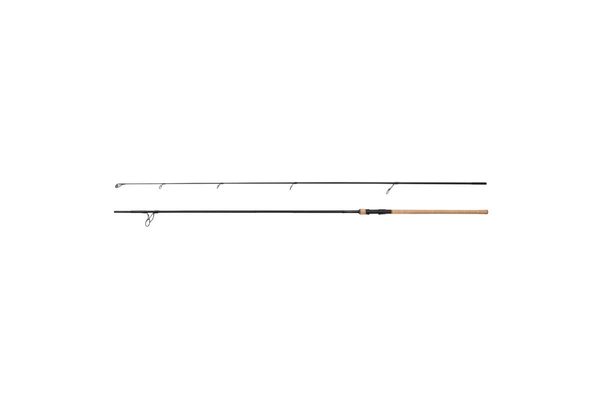
The Combat-X Surface is the mid-price sweet spot in this guide, a dedicated 12ft, 2.5lb surface rod that Prologic have finished to a standard that genuinely outruns its price tag.
The blank is 24/30-ton high-modulus carbon with a 1K carbon outer, and at 290g it has the balance and sensitivity that surface fishing rewards, with the 2.5lb curve sitting nicely between finesse and stopping power for carp taken off the top.
The details are thought through. There are discreet marker whippings at 30cm and 50cm from the reel seat for measuring line, grey alignment marks on each section, single-leg K-style guides with an anti-frap tip and a 40mm butt ring, and a full-length cork handle that gives it a classic feel in the hand.
It's a two-piece with a 182cm transport length, so it's not the choice for anglers who want a compact packdown, and the brand carries less prestige than Daiwa or Shimano. On performance for money, it's the value pick of the specialist surface rods.
Best suited to
Anglers who want a specialist surface rod with classic cork looks without a premium price.
Pros
- 24/30-ton blank with 1K carbon finish
- Line-measuring marker whippings
- Full cork handle, 40mm butt ring
Cons
- Long 182cm transport length
- Less brand cachet than the big names
Prologic Combat-Surface Shrink Rod
#5 Best Budget
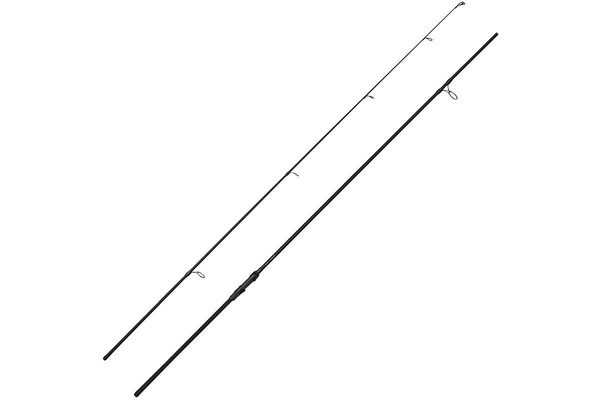
The Combat-Surface is the budget pick, and Prologic's own pitch for it sums the rod up: surface fishing shouldn't be a luxury. It's a dedicated 12ft, 2.5lb surface rod for the price of a few tubs of mixers.
The blank is 24-ton carbon with a low resin content in a matt black finish, and it's built to handle powerful surface fights while keeping enough subtlety to freeline a bait in the top layers, which is the acid test of a cheap surface rod.
It borrows features from dearer rods too: markings at 30cm and 50cm from the reel seat for measuring line, orange alignment dots on the ferrule, minima single-foot guides with an anti-impact tip ring, a 40mm butt ring and a full-length Japanese shrink grip.
A budget blank can't recover like the Longbow or the Kaizen and the shrink handle won't suit cork traditionalists, so a regular surface angler will want to upgrade eventually. As a first floater rod, or a spare for the rare British heatwave, it's terrific for the money.
Best suited to
Anglers who fancy trying surface fishing without committing serious money.
Pros
- Genuine surface rod at a budget price
- Subtle enough to freeline in the upper layers
- Line markings and anti-impact tip ring carried over from dearer rods
Cons
- Budget blank lacks the recovery of premium carbon
- Shrink grip rather than cork
Floater Fishing Rod FAQs
Still picking a surface rod?
These are the questions I would settle before buying.
What test curve is best for a floater rod?
Between 2lb and 2.75lb covers proper surface fishing. A 2lb to 2.25lb rod gives the softest presentation for freelining and light controllers, while a 2.5lb to 2.75lb blank casts bigger controllers further and gives more authority over large fish.
A standard 3.25lb-plus carp rod is too stiff; it flicks baits off the hook on the cast and pulls hooks under the rod tip.
How long should a rod for floater fishing be?
12ft is the standard and every rod in this guide is built on it. The length helps pick line up off the surface quickly on the strike and steers fish at range.
A 13ft version, like the longer Shimano TX Float, adds line control on rivers or big pits, at the cost of a little more weight in the hand.
Will a normal carp rod do for surface fishing?
It works in a pinch at short range, but a stiff 3lb-plus carp rod is a blunt tool off the top. The cast whips delicate baits off the hook, the tip gives nothing when a fish rolls on the surface, and hook pulls follow.
A dedicated floater rod has a softer, more forgiving action for exactly those moments, and the budget end of this guide makes owning one cheap.
What size controller float does a floater rod cast?
It scales with the test curve. Light 2lb to 2.25lb rods are happiest freelining or fishing small controllers on small to medium venues, while a 2.75lb rod like the Kaizen Green handles controllers up to the 80g class at long range.
Matching the controller to the rod keeps casting accurate and protects the bait.
Final Thoughts
The best rod for floater fishing is one that provides enough subtlety to cast a light surface bait effectively but at the same time provides enough power to play hard-fighting fish efficiently.
The features and the options provided in this article provide all the rod requirements you will need to be successful with this exhilarating method.
Many thanks for reading.
Tight lines!